Guest writer Camilo talks about his experience as a gay migrant from Colombia: from maintaining his Latin culture to being diagnosed with HIV.
My name is Camilo, I am 35 years old and was born in Colombia. I migrated to Australia in 2023. This is my journey in recognising the importance of self-care, regular health check-ups, and mental well-being.
Sexual health across borders
In Colombia, I tried several times to access PrEP but was never able to. Administrative barriers, prejudiced doctors, and stigma made it difficult to care for my sexual health.
When I migrated to Australia, this experience was different. I found an inclusive, respectful, and efficient health system where I could get tested for HIV and STIs without shame, receive clear information, and access HIV prevention tools like condoms and lube, and PrEP.
I also received my HIV diagnosis here. Although it was a difficult moment, the way I was treated — with humanity, professionalism, and without judgment — gave me the strength I needed. I felt seen, supported, and respected by healthcare staff.
In Colombia, sexual health was a constant battle. In Australia, it became an act of empowerment and self-care.
Sexuality and hookup culture
In Colombia, sexuality is often hidden and surrounded by prejudice, fear, and guilt. Many gay men live their sexuality in secret, in environments shaped by stigma and judgment. The media still uses HIV to shame people, which only increases stigma.
In Australia, I’ve found a more open and direct culture. Topics like PrEP, HIV, consent, and pleasure are discussed publicly through campaigns and services that make you feel supported.
It’s not perfect, but the difference is enormous.
“Here I’ve learned to speak openly about sex and rather than fear it.”
When I feel a connection getting serious, I’m honest about my status. I believe honesty (and the safety to be honest) should be part of any respectful relationship.
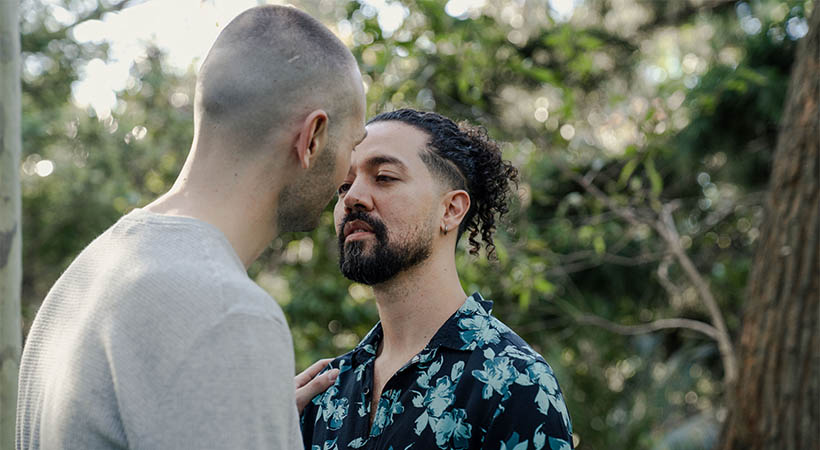
What have I learned about sexual health since arriving in Australia?
Sexual health goes far beyond the physical. It involves mental, emotional, and social well-being. Also, looking after my sexual health means protecting both myself and my community.
After receiving my diagnosis here, I learnt that HIV doesn’t diminish my worth. It reminded me that caring for my body and mind is my right — and an essential part of living with dignity.
How has living with HIV influenced my view of life and relationships?
I’ve come to understand that my diagnosis was not the end — it was the start of a bigger journey.
I’ve learned that how I take care of myself has a direct impact on how I show up for others. This experience has made me more responsible and empathetic. By staying on HIV treatment, I can maintain an Undetectable Viral Load and prevent onward transmission in my community. I know now that I can lead a long, healthy life and continue to pursue my dreams.
I’ve chosen not to share my diagnosis with my parents, as their beliefs are rooted in stigma and fear. Instead, I’ve leaned on a close circle of friends who support me unconditionally.
Living with HIV has also taught me to set boundaries, recognise genuine love, and build healthier connections. In sharing my story, I hope to break taboos and promote education about HIV.
“I hope to inspire others to see that living with HIV is not the end, but an opportunity to heal and grow.”
Guidance for other LGBTQ visa holders in Australia
My advice to newly arrived LGBTQ migrants is: don’t be afraid to be yourself. Take care of yourself, connect with your communities and access sexual health services for support.
Try to leave behind the taboos and stigma many of us bring from our home countries, especially in Latin America. Sexual health is not only physical — it also includes mental and emotional well-being.
Explore your sexuality in a safe way. Use HIV prevention (UVL, condoms, PrEP) and have honest conversations with your partners (even the casual ones) about how you choose to stay safe. Mutual care and honesty are never things to be ashamed of.
Here, it’s normal to say, “I just got tested.” That openness should be celebrated everywhere. Stay informed, seek support when needed, and above all, be free to live as your authentic self.
Keeping that Colombian fire alive
“That Latin flavour, that Colombian fire—it’s in my blood, and no amount of distance can take it away.”
Since I was a child, I was taught to stay true to myself. Those values of integrity guided me to Australia and continue to shape my journey.
Living here has allowed me to question and redefine some of my beliefs. Instead of losing them, I’ve given them new meaning. I’ve learned to embrace my warmth, resilience, and joy with greater maturity and openness.
Even though distance can be painful, my bond with my family remains strong. We don’t share everything— and some topics are difficult — but love remains. At the same time, I’ve built a chosen family of friends who celebrate who I am.
For me, it’s not about choosing between past and present, but living authentically in a way that honours both.
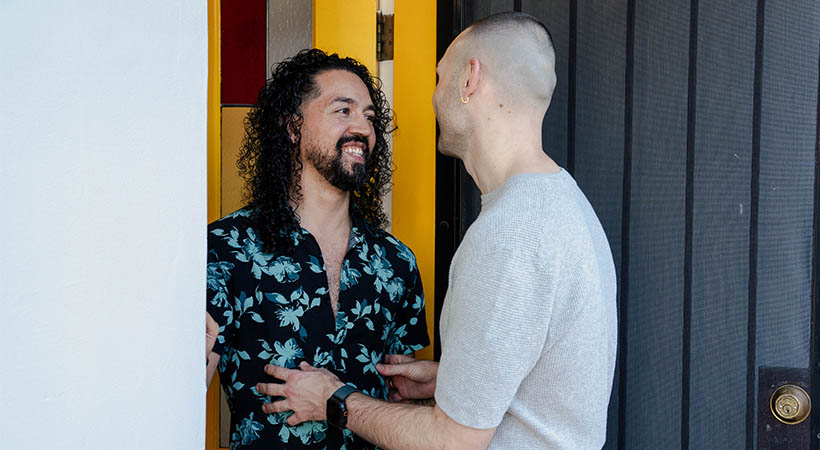
We thank Camilo for sharing his story! You can learn more about accessing free HIV treatment as a visa holder in this article.
If you liked this content, you might also want to read: